

This dark net has for a long time been a well spring of intrigue and trepidation, shrouded in mystery and often depicted as a refuge for illicit operations. Inside this secret layer of the web lies a complicated network of dark web trading posts, where items and offerings are exchanged under the veil of secrecy. These markets operate on the hidden internet, utilizing crypto technologies to protect the identities and privacy and deals of their users. Thus, they present an intriguing case study of commerce that exists outside the conventional economic framework.
In the past few years, the rise of these sites has raised important questions about the nature of online marketplaces, the reasons of their participants, and the consequences for law enforcement and society. From illegal drugs and counterfeit items to cybercrime services and sensitive information, the variety of offerings in dark web platforms is as vast as it is troubling. Understanding how these markets function is crucial for comprehending the challenges they pose, not only to regulatory bodies but also to our perception of security and confidence in online commerce.
Grasping the Dark Web
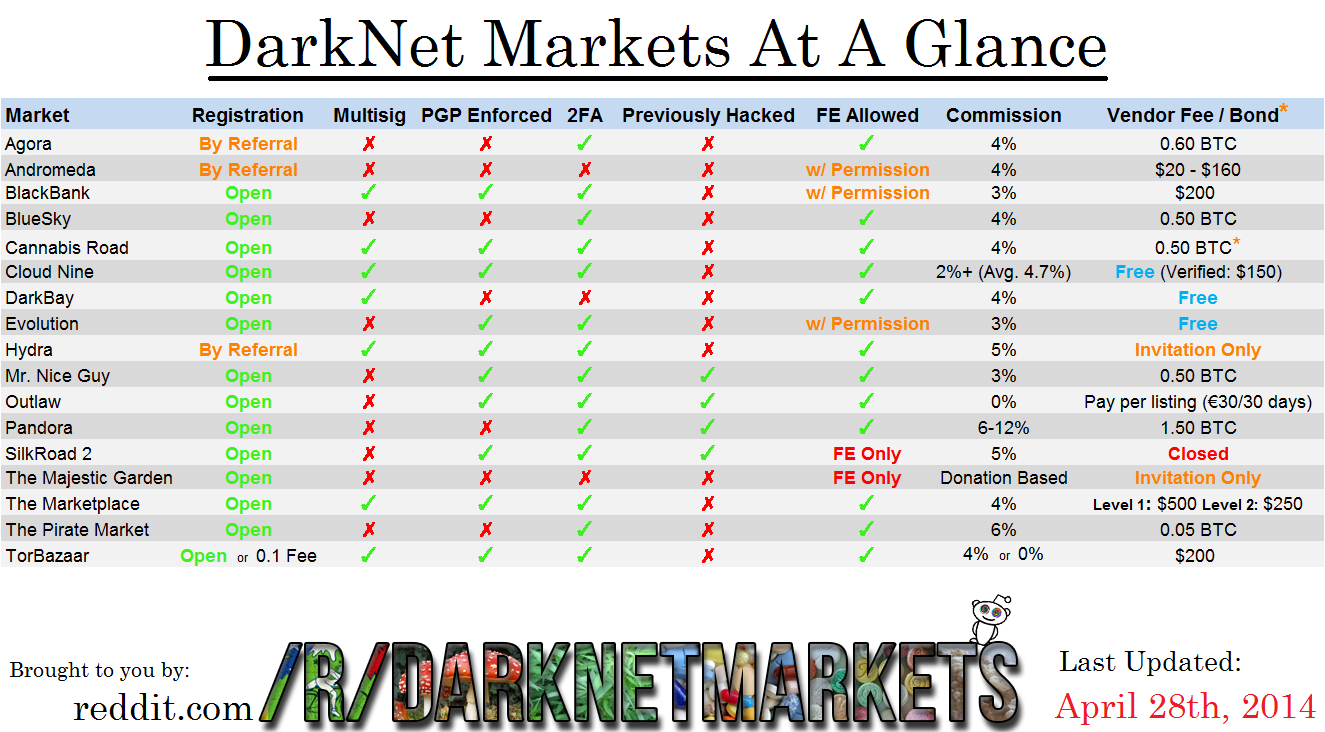
The dark web is a segment of the internet that is not listed by conventional search engines, making it somewhat unreachable to the typical user. It functions on overlay networks, which need specific software, setups, or access rights to enter. The most typical way to connect to the obscured web is through the Tor network, which masks user traffic by routing it through a sequence of volunteer-run servers. This anonymity is a major draw for users seeking confidentiality, whether for legitimate reasons or further criminal activities.
In this concealed realm, there can be found a range of marketplaces and forums where users can buy and sell goods and services that may be prohibited or difficult to locate on the regular web. These markets often enable the exchange of drugs, weapons, forged currency, and stolen data. Transactions are typically executed using cryptocurrencies, like Bitcoin, which adds another layer of disguise and makes tracking difficult for authorities agencies. dark market url prospers in secrecy, allowing individuals to operate with a level of risk that is not present in conventional commerce.
While the obscured web often garners a image solely for criminal activity, it also functions as a venue for liberty of expression and information sharing in repressive regimes. Whistleblowers and activists may use these networks to communicate without concern of surveillance or reprisal. Thus, the dark web is a complex and multifaceted space that embodies a combination of illegal trade and the battle for privacy and freedom, presenting an intriguing paradox within the digital landscape.
Mechanisms of Darknet Markets
Underground markets operate on the principles of secrecy and decentralized transactions, attracting users who seek to buy and trade illegal goods and services without being traced. These markets are typically operated on systems like Tor or I2P, which mask users' IP addresses and secure their communications, making it challenging for law enforcement to track their activities. Vendors often create detailed listings, complete with reviews and comments, to build credibility and faith within the community. This unique structure allows participants to browse and select from an array of listings, ranging from drugs to forged documents.
Transactional systems in darknet markets heavily depend on cryptocurrencies, primarily Bitcoin, to enable transactions while preserving user anonymity. These digital currencies are selected for their anonymous nature, allowing customers to acquire items without revealing their identities. Some markets have developed their own holding systems, which hold payments until the customer confirms receipt of the purchased items, further mitigating the risk of scams. This commitment to safety and confidentiality enhances user confidence and encourages engagement in these shadows of the internet.
To maintain their operations, darknet markets often employ specialized discussion boards or communication channels for communication and marketing. These platforms serve as centers for users to share information, discuss product quality, and share experiences, creating a sense of community among customers and vendors. In addition, many markets are constantly evolving, using sophisticated measures to avoid law enforcement, which may include frequently changing URLs, using anti-DDoS measures, and applying enhanced encryption protocols. This constant evolution is crucial for survival within the volatile landscape of the darknet.
Risks and Legal Implications
Engaging in transactions on dark web markets involves significant risks that can impact both individuals and society as a whole. Users often expose themselves to fraud, tricks, and the potential loss of their personal data. Moreover, the anonymity that these platforms offer can lead to a misleading sense of security, enticing individuals into making impulsive purchases of illegal goods or services without completely understanding the consequences.
From a lawful perspective, participating in dark web markets carries serious implications. Law enforcement agencies are more and more monitoring these platforms, and individuals caught buying or selling illegal items can face hefty fines, prosecution, and extended prison sentences. Legal frameworks differ by country, but many jurisdictions treat activities on such markets very seriously, often leading to inquiries and stings on operators and users alike.
Additionally, the presence of illegal activities on dark web marketplaces contributes to wider societal issues, including the proliferation of substance abuse, trafficking, and cybercrime. These markets can facilitate the exchange of harmful substances and dangerous weapons, further perpetuating criminal enterprises. As authorities work to combat these issues, the risks for those involved in dark web transactions increase, making it crucial for individuals to carefully consider their actions and the potential repercussions.